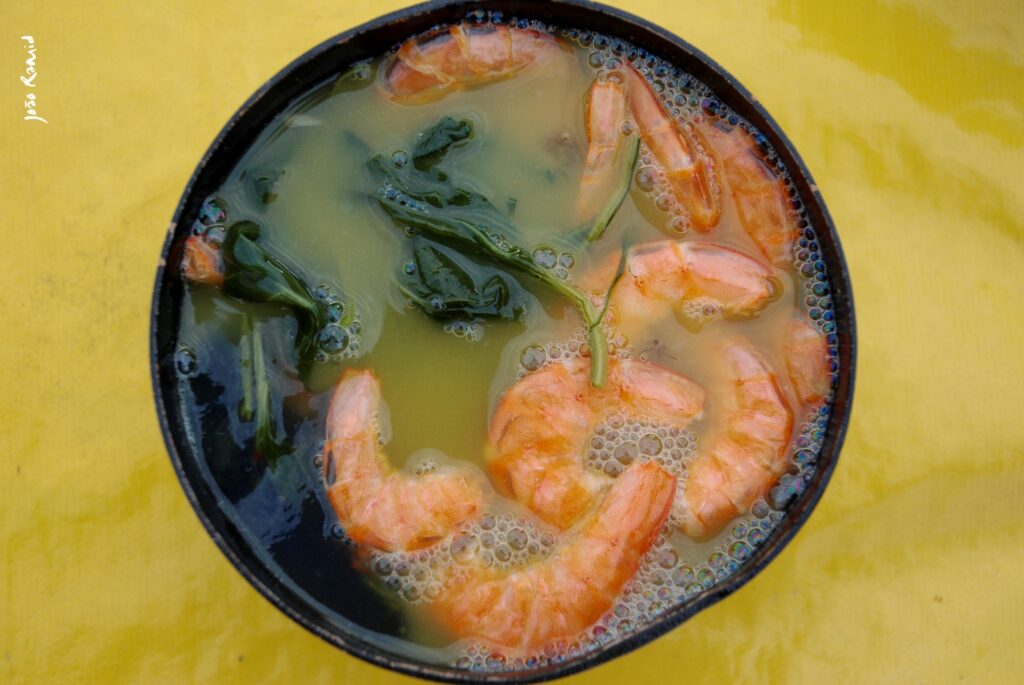
Born in the state of Pará with a background in photojournalism and documentary photography, photographer João Ramid captures Amazonian cuisine as an expression of the region’s culture and identity.
“Food reveals aspects of culture that natural landscapes alone are not able to capture, serving as a gateway to understanding the Amazon.” João Ramid’s statement helps to understand the role that food plays in his art. For the Pará photographer, food is not only about beauty, aesthetic composition or tempting the appetite. It carries stories, ways of doing things, relationships with the territory, and knowledge that is passed down from generation to generation.
Browsing through his collection is like sitting at a table in a riverside community or strolling through an Amazonian open-air market. There, time is marked by shared experiences, and image is born from the bond with what lies before the camera.
João understands that traditional food reveals much of the knowledge that peoples of the Amazon have developed about the environment. Before food lands on one’s plate, comes the work of those who fish, plant, harvest, prepare, and transform often complex ingredients into “comfort foods” or “homemade dishes”. Also noteworthy is the wisdom especially safeguarded by the women, who are fundamental in conveying these practices.
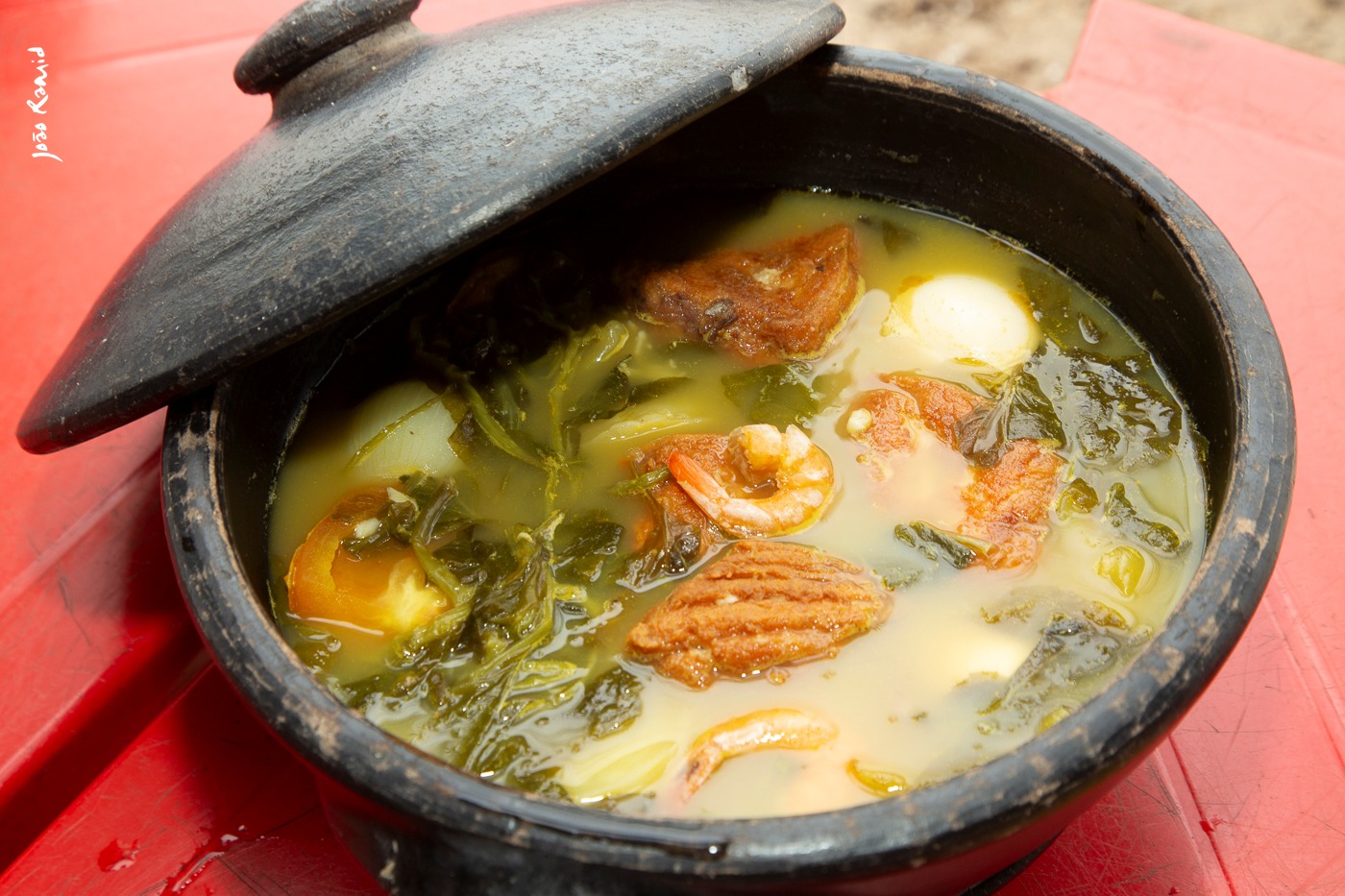
It is this very everyday life, composed of technique, affection, and identity, that Ramid seeks to capture. In an interview with the Concertation, the photographer revisited his career and explained why, from his perspective, the Amazon must be narrated “from the inside out.”
For him, photographing the territory requires immersion, listening, and commitment to the people and objects portrayed. In this process, the camera ceases to be an instrument for controlling the narrative and becomes a means of amplifying local voices, stories, and realities.
Food as an expression of culture, territory and identity
In João’s work, traditional dishes are not treated as regional curiosities or exotic images. They are integrated into daily life, as part of ways of living that respond to concrete needs for survival, food security, and cultural continuity.
His photography rejects the foreign or dazzled eye that reduces Amazonian cuisine to a visual fetish. At the same time, it preserves its pleasure and joy before the variety of flavors, colors, and textures of its land.
Through his lens, native ingredients and culinary techniques appear as expressions of knowledge, adaptation to the territory, and cultural resistance.
In this sense, food serves as a mirror of local history. In it lie the techniques of harvesting, cultivating, fishing, and preparing food, inherited from previous generations and recreated in the daily life of Amazonian kitchens.
This appreciation for local ingredients and recipes also underpins his criticism of how regional dishes are being replaced by ultra-processed foods. “School meals in the Amazon, in inland Amazonas, Pará, and Amapá, consist of biscuits and guava preserve from São Paulo. However, these children live right by a river teeming with fish, they have açaí berries growing in the backyard, cassava…”, the photographer says.
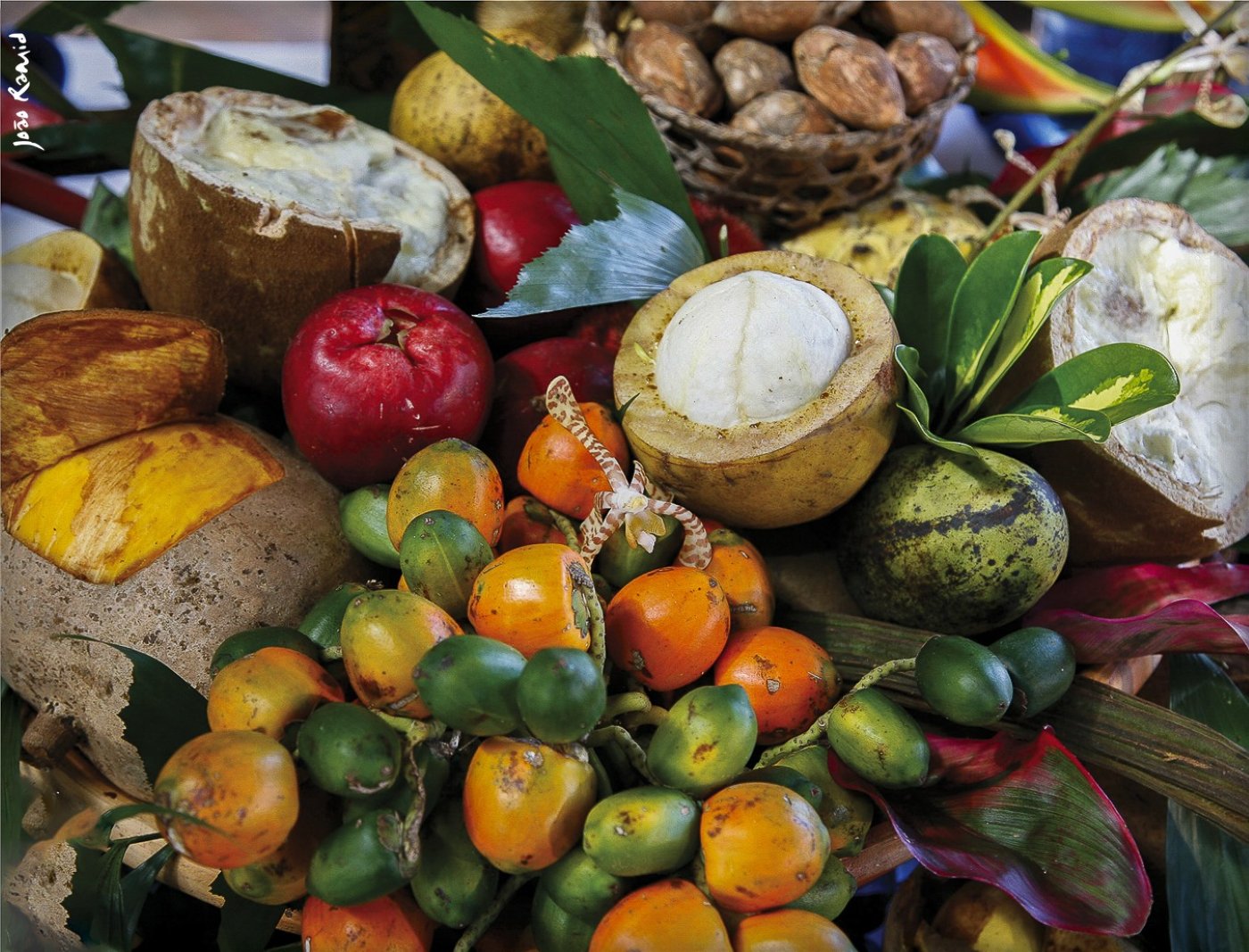
The visual seduction of Amazonian cuisine
João’s food photography technique stems from a principle he learned from a Japanese chef in São Paulo, who drew his attention to the importance of three aspects of food: appearance, which seduces; aroma, which attracts; and flavor, which convinces.
Since photography doesn’t convey smell or taste, the artist focuses on captivating people through appearance, an element capable of awakening one’s desire. Instead of following set formulas, he is guided by his own desire to taste the food. To find the best angle and the right framing, one must look at the dish and feel the urge to eat it. It is this impulse that rules his camera.
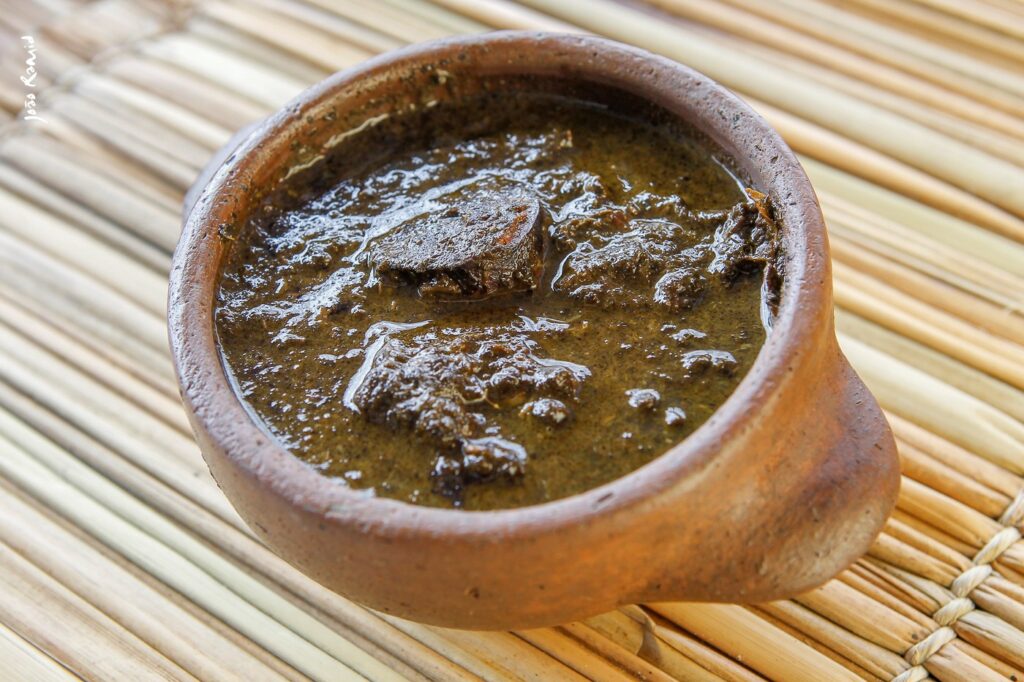
His work also seeks to bring beauty and dignity to textures, colors, and forms that may seem difficult or strange to those unfamiliar with the local culture. In dialogue with culinary professionals, João uses light to enhance the succulence, layers, and density of traditional dishes, transforming the rustic nature of the food into an invitatory sight.
From the urgency of photojournalism to times of listening
The artist’s sensitivity to the table arose from a decisive change in his trajectory. Born in Belém (Pará) and raised in Rio Grande do Sul, João’s training began in photojournalism. He worked as a high-profile photographer for Veja magazine for 12 years and, later, for Jornal do Brasil.
His routine was marked by constant travel and intense coverage, such as conflicts related to illegal mining, agrarian movements, and the constitutional process in Brasília. He documented episodes of aggression by the police and military forces, and was even the victim of an attempted hit-and-run by a security guard of the newly-elected president, at the end of 1989.
“I traveled a lot, I was a high-profile photographer; I was always on the move. Many were the times when my wife had to meet me at the airport just to bring me a suitcase full of clothes,” he says. But the distance from his family and the strain imposed by daily journalism led him to permanently return to the North. “I decided to return to the Amazon… It was time to go back,” he says.
By moving away from a narrative focused on reports and conflict, João rediscovered references to his childhood in the Oiapoque region (Amapá state). The establishment of his Agency, Amazônia de Comunicação, marked his course change and opened up space for a more personal, authorial photography style, focused on documentaries, gastronomy, and Amazonian ways of life.
Since then, his camera has sought not only the struggles of the territory, but also its solutions, native technologies, forms of coexistence, and cultural sophistication.
Today, the photographer takes this discussion to exhibitions and seminars outside of Brazil. By presenting traditional cuisine as an expression of knowledge and identity, he helps to shift away from superficial and stereotypical views about the Amazon.
His photography shows that a plate holds much more than just food. It holds territory, memory, work, technique, and culture. It also has a way of looking at the Amazon from within, awarding it the time and listening that its stories deserve.