OPINION: Recovering the Amazon is more than planting trees
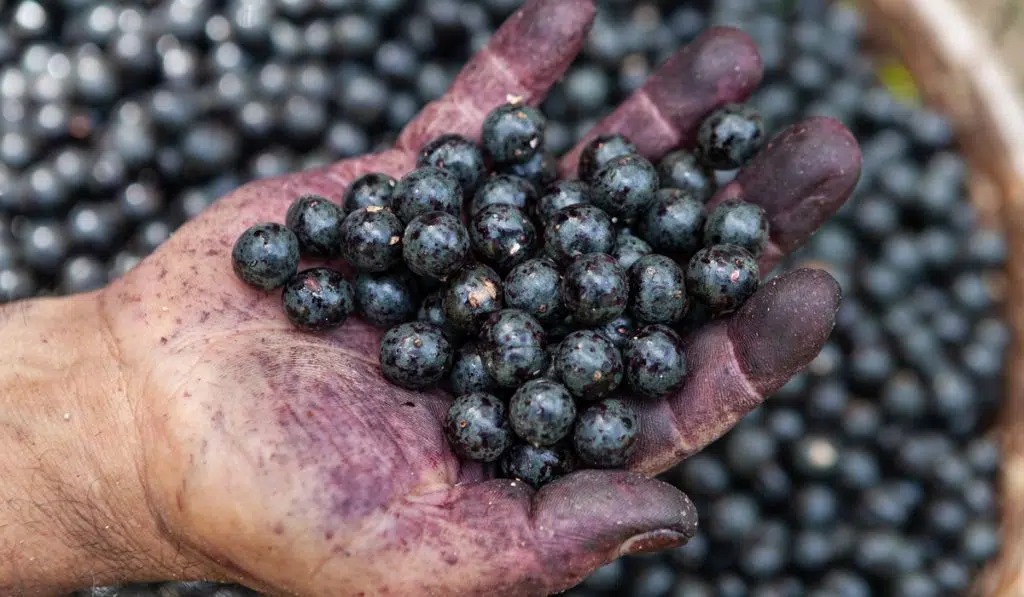
The future of the region depends on nature conservation combined with an economic model that guarantees a better life for 30 million people
At an event parallel to the UN Assembly, environmentalists and businesspeople defend Brazil’s potential in the green economy

Reducing deforestation will make it possible to take advantage of the country’s carbon sequestration capacity, abundant biodiversity and renewable energy matrix
Organizations call for “patient capital” for the Amazon at New York Climate Week
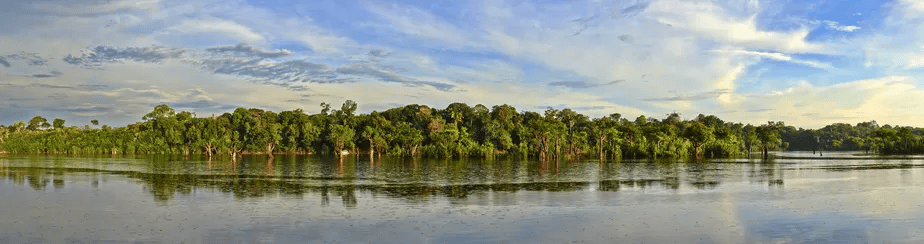
Representatives sought to convince the audience of potential investors that other nations can “help the Amazon without being accused of hurting the country’s sovereignty”
Climate secretariat gains momentum as a suggestion for the next government

State Secretariat for Climate Emergency
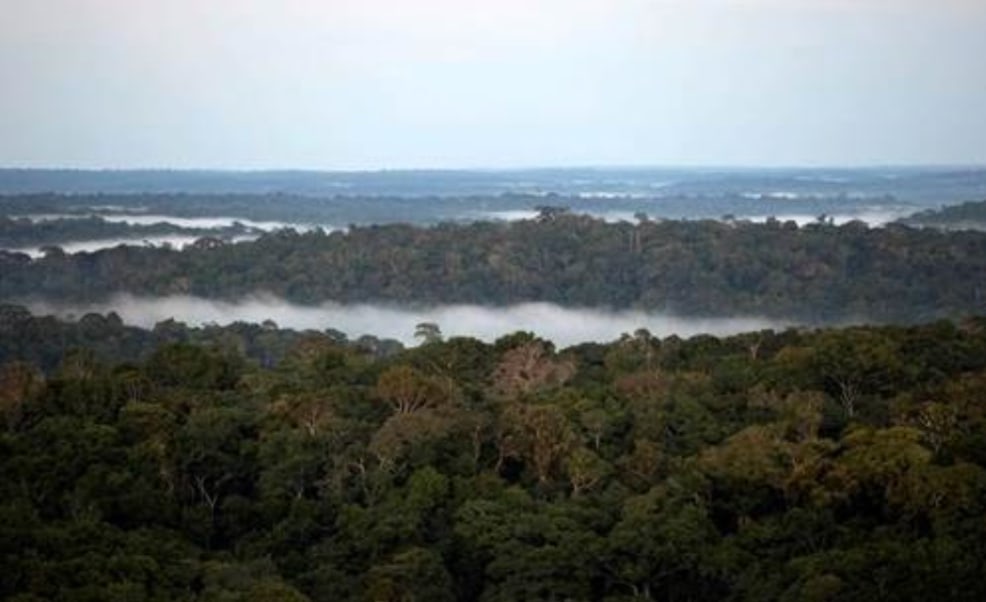
Given the centrality of the issue in development and geopolitical discussions, the new body should be considered by the next government.
“We need to shine a light on the social challenges of the environmental agenda,” says Renata Piazzon, head of mega-initiatives for network action
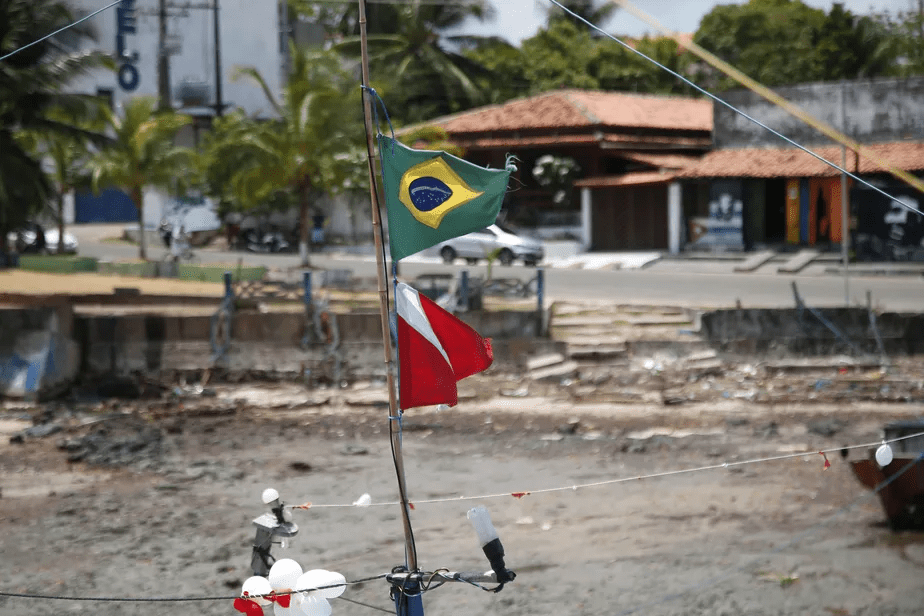
Every day, millions of choices are made by individuals, companies, governments and markets. If our present is a reflection of these choices, what steps do we need to take to build a fairer, more prosperous and sustainable future? It is increasingly clear that collaboration and systems thinking are the way to build a new world.
Natura sets up counter for trees felled in Brasilia and wants to raise voter awareness
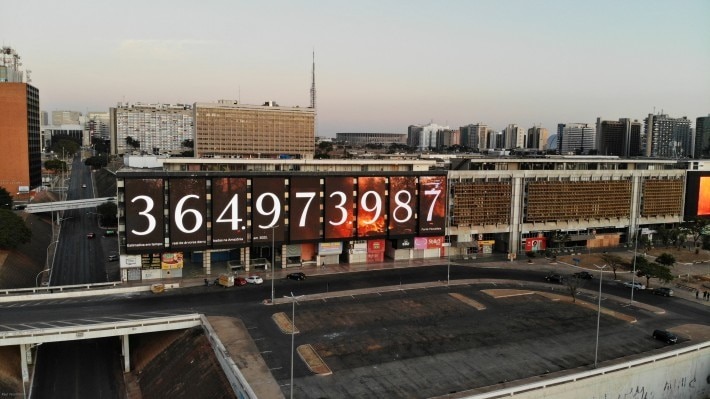
Amazon Day: Congratulations and thanks to this giant of nature itself
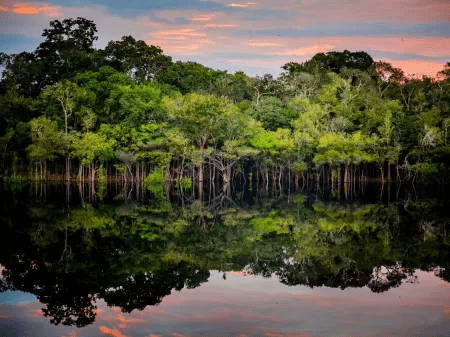
“The Amazons” is how we in the A Concertation for the Amazon network refer to this giant of nature, but also a giant of culture.
Culture represents who we are and shapes our identity. Because it is who we are, and because it guides our actions, culture must be at the heart of development policies that seek an agenda capable of containing environmental degradation, reconciling natural capital and social justice.
The Amazon is still far from the political agenda

Side by side, Renata Piazzon, director of the Arapyaú Institute, and Mônica Sodré, executive director of the Political Action Network for Sustainability (Raps), present a convergent worldview on the Amazon. Both, based on a modern approach to environmentalism, are working to help the socio-economic development of the Amazon, which cannot be done without the political arena firmly on board. Read on for excerpts from the interview with the two experts, who also work together on the project A Concertation for the Amazon, a broad front that currently brings together more than 200 people.
A systemic look at the forest
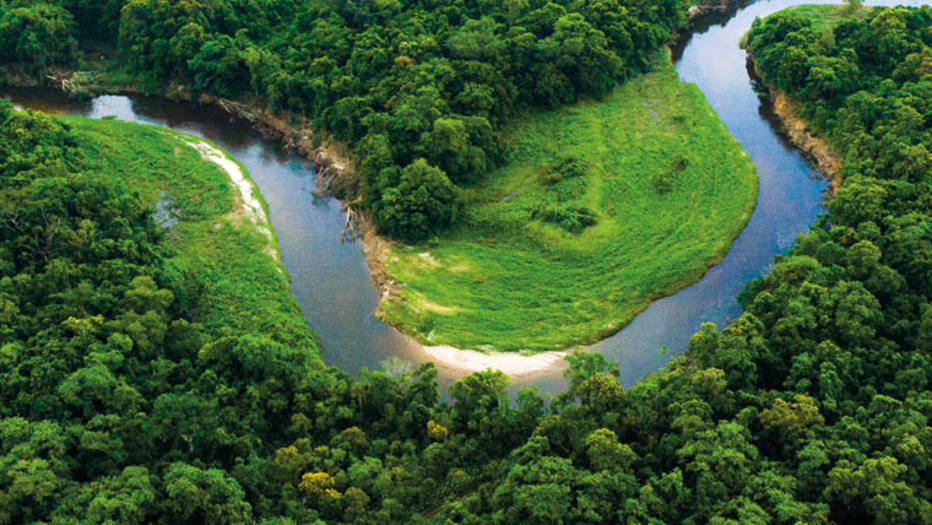
Based on the rich traditional knowledge passed down from generation to generation in the forest, combined with the science and technology that measures, investigates and unravels ecological processes, there is a consensus about the Amazon today. Although some politicians, at various levels, are stuck in the past, preservation and socio-environmental development have ceased to be antagonistic for some time now.
Scientific consensus

For decades, researchers from Brazil and around the world have been delving into the various faces of the Amazon. More than 50 years ago, for example, the German geologist Jürgen Haffer, who died in 2010 at the age of 77, developed the so-called Refuge Theory, without using that name at the time. Brazilian zoologist Paulo Vanzolini – yes, the samba singer who also made Praça Clóvis and Samba Erudito, as well as several other songs – helped to develop the scientific thesis, even indirectly. “I didn’t do any theory,” he used to say in life. In a nutshell, the theory – and the practice of decades of research – shows how biological diversity in the Amazon is associated with periods of dry climate and geographical isolation.
Mônica Sodré: Amazon deputies vote against socio-environmental agenda

In “Live do Valor”, political scientist Mônica Sodré says that the new Congress should be more conservative and have fewer parties
Carta de Alter

Dia da Amazônia Fórum Amazônia Sustentável apresenta “Carta de Alter” com propostas para manter a Amazônia viva Documento tem como objetivo contribuir para os debates do processo eleitoral, assim como […]
A show to celebrate the forest and bring cultures together
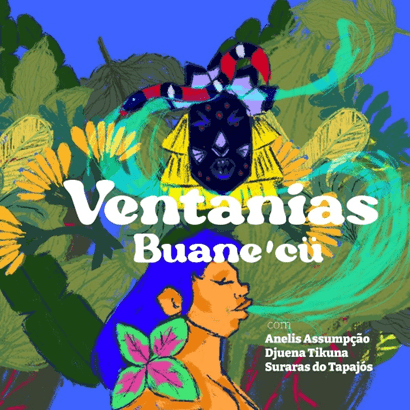
To commemorate Amazon Day, the show “Ventanias/Buane’cü” will be performed in São Paulo, at the “Baile na Terra” festival, on 3/9; and in São Luís, at the “Resistência” festival, on […]
Ventanias show to take place at Baile na Terra to celebrate Amazon Day
The presentation, open to the population of São Paulo, will take place on September 3; the aim is to bring the cultures of city and forest closer together
Get to know the Amazon through sounds and flavors at the Earth Ball
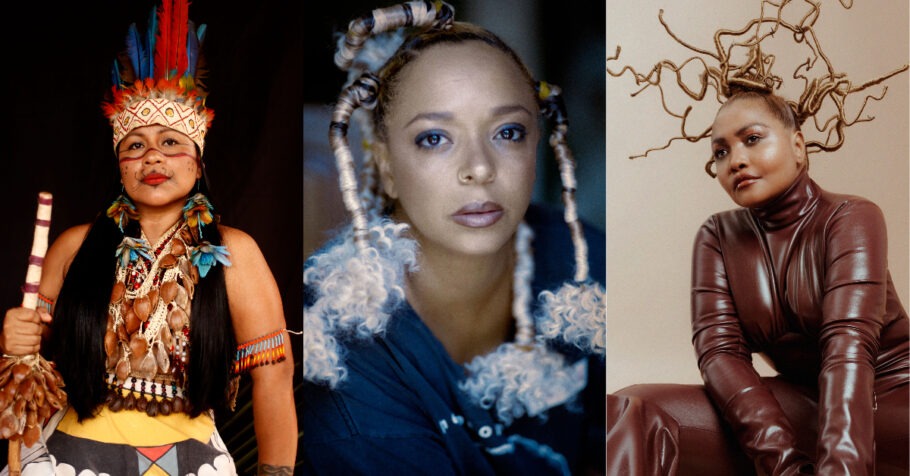
The free event will feature carimbó, tecnobrega and indigenous music, as well as typical food and drinks made by the Ocupação Nove de Julho kitchen team.
New show Ventanias will be one of the main attractions at the “Baile na Terra” and “Resistência” festivals
Free presentations will take place on the 3rd, in São Paulo (SP), and the 4th, in São Luís (MA); the events will be held to commemorate Amazon Day
A development plan for the different Amazons
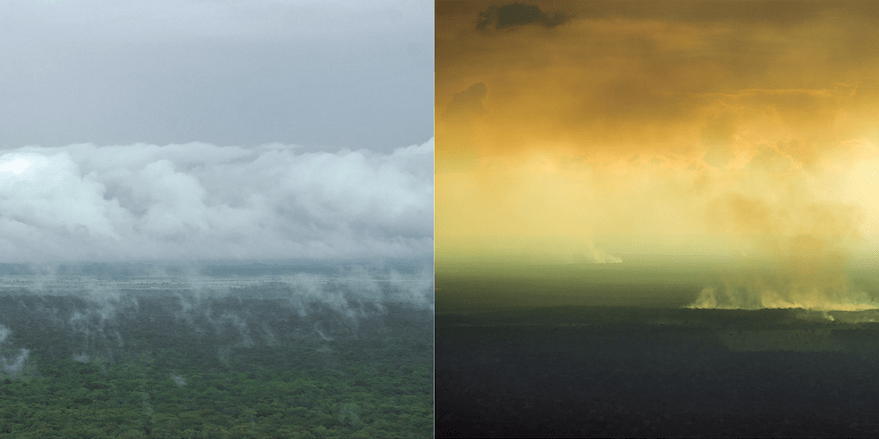
The Amazon is destroying its natural wealth while it has the worst socio-economic indices in the country. What’s more, protection policies that were successful in the past can no longer […]
Education to save the Amazon

Environmental awareness, sustainable development and the preservation of the planet’s largest tropical forest should be included in the curricula and classrooms of the country’s schools.
Amazonia: Photographers exhibit multiple views of the forest at art fair; see images
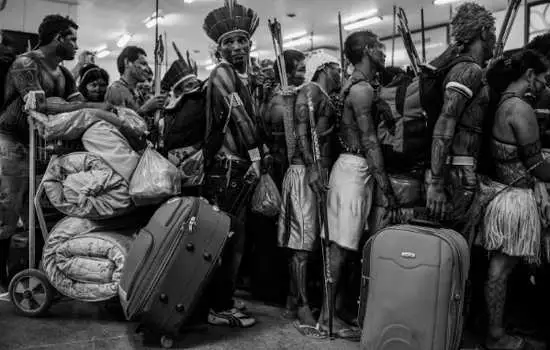
The event has a space dedicated to photographs documenting the world’s largest rainforest.